
Luxury Restaurants in London: How to Build a Premium Dining Experience Guests Remember
A luxury restaurant experience is built through service standards, atmosphere, and consistency — not just décor. This guide shows how premium restaurants can refine positioning, guest journey and “hotel-level” service in London and internationally.
11/19/20254 min read
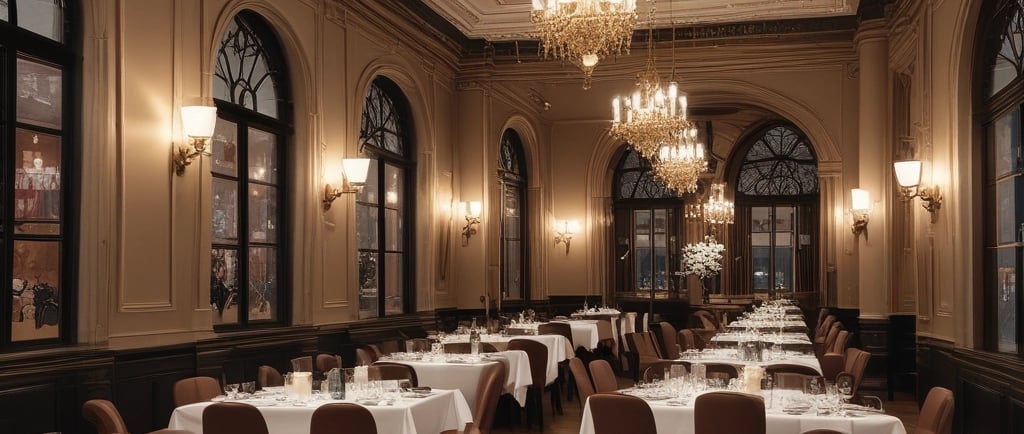
Luxury Restaurants in London: How to Build a Premium Dining Experience Guests Remember
A restaurant can have the best food in the room and still fail to feel premium. The difference is rarely the menu. It’s the experience. Luxury restaurants feel calm, guided and confidently run. Guests are welcomed properly. The service is attentive without hovering. The pace feels controlled. Small details are handled before the guest has to ask. And if something goes wrong, it’s fixed quietly and quickly.
In London, diners have endless options — and they compare fast. From Soho to Kensington, from Shoreditch to Canary Wharf, the brand that wins is usually the one that feels consistently excellent, not just occasionally brilliant. Internationally it’s the same: whether guests are visiting from Europe, California (Los Angeles), Dubai or Tokyo, premium dining is judged by the same signals: clarity, comfort, and service that feels effortless.
Quick answer
To build a premium dining experience, focus on three things: clear positioning (who you are and what you’re known for), a designed guest journey (before, during, and after the meal), and strong service standards (greeting, pacing, problem-solving, and follow-up). When those are consistent, guests spend more, return more, and recommend you naturally.
What makes a restaurant feel truly luxury
Luxury dining doesn’t mean stiff. It means confident.
A premium restaurant usually delivers:
a warm, professional welcome
a clear sense of what the restaurant is “about”
service that feels attentive and discreet
pacing that feels controlled
staff who know the menu and guide well
smooth handling of allergies and preferences
an environment that feels calm, even when busy
elegant service recovery when something goes wrong
Guests don’t always describe these details — they simply say: “It felt special.”
Why restaurants lose premium guests (even with great food)
Most complaints in premium dining are not about taste. They’re about uncertainty and friction.
Common issues:
slow greeting or awkward waiting
unclear booking confirmations and policies
rushed service or long gaps
inconsistent staff tone
lack of confidence when explaining menu or wine
poor handling of allergies or special requests
clumsy service recovery (defensive, delayed, messy)
no aftercare or thoughtful follow-up
Luxury is reliability. Guests pay for the feeling they’re in capable hands.
The Luxury Clementine model for premium dining: story + standards + rhythm
Here’s a simple framework.
1) Positioning: define what you’re known for
“Luxury” is not the positioning. It’s the result.
Clarify:
what style of dining experience you offer
the mood (lively, intimate, calm, celebratory)
what makes you different in your area
who your best guests are
If you’re in London, the positioning should be immediately clear — not hidden in vague language.
2) Service standards: make excellence repeatable
Premium restaurants run on standards, not moods.
Set simple rules for:
greeting and welcome timing
table readiness and communication when delayed
allergy and dietary process
menu explanation and recommendation language
pacing between courses
check-back timing (not too much, not too little)
bill presentation and goodbye
complaint handling and service recovery
When standards are trained, the guest experience stays consistent even on busy nights.
3) Rhythm: control the pace
Pacing is the invisible luxury.
Guests should never feel:
rushed
ignored
uncertain about what’s next
A premium dining rhythm feels guided: subtle check-ins, calm transitions, and smooth communication between front and back of house.
Step-by-step: how to improve your restaurant’s premium feel in 30 days
Tighten booking confirmation messages (what to expect, timing, policies, contact)
Improve greeting standards (who greets, when, and what they say)
Standardise allergy handling (clear questions, clear kitchen communication)
Train recommendation language (two options + one recommendation)
Create a pacing rule per service style (lunch vs dinner vs tasting)
Build a service recovery script (acknowledge, apologise, resolve, follow up)
Upgrade the bill goodbye moment (warm, efficient, respectful)
Add a simple post-visit follow-up for VIPs and regulars
These changes often increase repeat visits faster than any marketing campaign.
Checklist: does your restaurant feel premium yet?
booking confirmations are clear and polite
guests are welcomed quickly and confidently
allergies are handled smoothly
staff recommend rather than overwhelm
service pace feels controlled
problems are fixed quietly and quickly
the goodbye feels warm and professional
regulars feel remembered (clienteling)
the experience stays consistent on busy nights
Common mistakes (and how to avoid them)
Mistake 1: Over-focusing on décor
Fix: atmosphere matters, but service consistency is what guests remember.
Mistake 2: Treating standards as “training once”
Fix: review weekly and reinforce the basics.
Mistake 3: Poor service recovery
Fix: script it. Luxury is how you handle mistakes.
Mistake 4: No guidance
Fix: premium guests like recommendations. Give two options and guide the decision.
London and international guests
London diners often expect speed and polish without stiffness. International guests may value different details, but the fundamentals stay the same: clarity, comfort, and calm competence. If you attract guests from the US (including Los Angeles), Dubai or Tokyo, clear communication and a smooth journey become even more important — especially around reservations, policies, and special requests.
FAQs
Do luxury restaurants need a brand strategy?
Yes. Clear positioning helps you stand out and makes the experience cohesive, from website to menu to service.
What’s the fastest service upgrade?
Greeting standards and pacing. Those two shape the entire meal.
How do we handle premium guests without being overbearing?
Discreet attention with structure: check-in at the right moments, guide decisions, and remove uncertainty.
Does clienteling matter in restaurants?
Absolutely. Remembering preferences, regulars, and VIP care increases repeat visits and referrals.
Contact us if you want your restaurant to feel more premium (and more consistent)
If you want to refine your positioning, guest journey, and service standards so your restaurant feels truly premium — in London and for international guests — we can help you design a calm, practical plan that your team can deliver consistently.
Visit www.luxuryclementine.com or email hello@luxuryclementine.com. Share your restaurant style, target guests, and where you feel the experience breaks (booking, greeting, pacing, service recovery), and we’ll suggest the best next step.
Reach out to start your premium journey.
Email: hello@luxuryclementine.com Phone: +447960033188
© Luxury Clementine. All rights reserved.
Registered Office
Horizonius Ltd. 124 City Road, London, EC1V 2NX
United Kingdom
COMPANY INFORMATION
Luxury Clementine is a trading name of Horizonius Ltd (Company No. 09722273), registered in England and Wales.
DISCLAIMER
This website is for general information only and does not constitute professional advice. For tailored support, please book a consultation.
CONTACT