
Luxury Brand Positioning for Boutique Hotels: How to Attract Premium Guests in London and Internationally
Boutique hotels don’t win on size — they win on detail. This guide explains luxury brand positioning for boutique hotels: how to refine your story, service standards and guest journey so premium guests trust you faster and book with confidence.
11/7/20254 min read
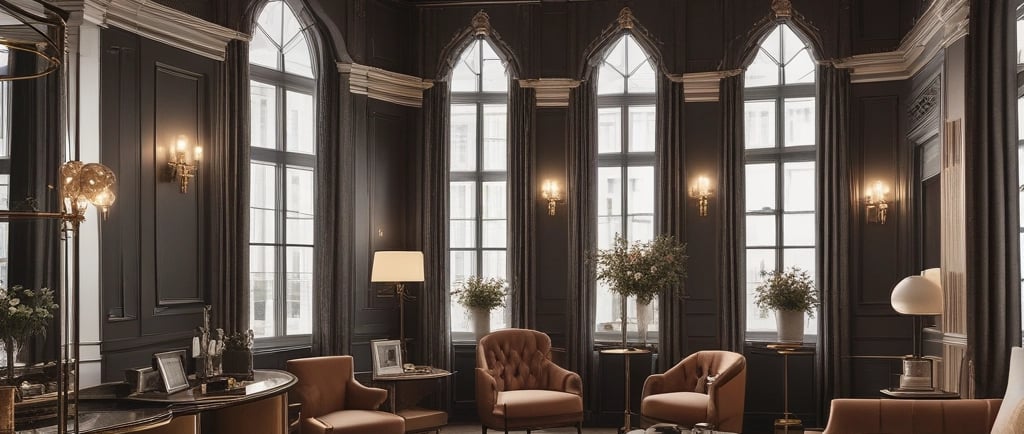
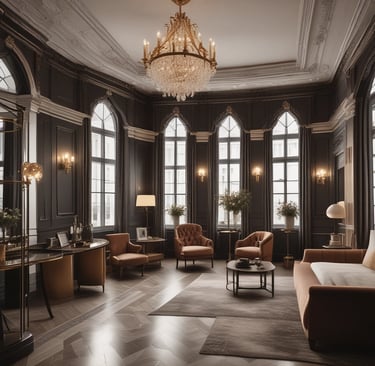
Luxury Brand Positioning for Boutique Hotels: How to Attract Premium Guests in London and Internationally
A boutique hotel can feel more luxurious than a five-star chain — not because of the marble, but because of the experience. The best boutique hotels feel personal, calm, and intentionally designed. Guests feel understood. The service feels discreet. Everything feels consistent, from the website to the welcome.
In London, boutique hospitality is competitive. Guests compare quickly and book quickly, especially when they’re travelling for business, celebrations, or short city breaks. Internationally it’s the same: premium travellers expect clarity, smooth booking, and a standard that matches the promise — whether they’re coming from Europe, California (Los Angeles), Dubai, or Tokyo.
Luxury brand positioning for boutique hotels is about making your difference obvious — and delivering it reliably.
Quick answer
To position a boutique hotel as luxury, focus on three things: a clear identity (what you’re known for), a designed guest journey (from booking to goodbye), and consistent service standards. Premium guests pay more when the experience feels calm, distinctive and reliable — and when your website and communications make it easy to trust you.
What “luxury positioning” means for boutique hotels
Luxury positioning is not “we’re high-end”. It’s what people remember after they look at your hotel for 30 seconds.
It answers:
Why should a guest choose you over another boutique hotel nearby?
What feeling do you deliver better than anyone else?
What type of guest is your best fit?
What standards make your stay predictably excellent?
Boutique hotels have an advantage: you can be more personal, more precise, and more consistent — if you design it properly.
Why boutique hotels lose premium bookings
Most booking hesitation comes from uncertainty.
Common reasons:
the hotel story feels generic (“stylish”, “unique”, “luxury” without specifics)
photos look good but the experience isn’t explained
the booking journey feels unclear or clunky
policies and next steps aren’t transparent
communication feels inconsistent or slow
guest expectations aren’t managed properly
Luxury guests don’t mind paying more. They mind being unsure.
The Luxury Clementine boutique hotel framework: story + standards + journey
Here’s a practical way to improve positioning without rebuilding everything.
1) Story: make your identity specific
Instead of trying to appeal to everyone, define your signature.
Examples of boutique positioning angles:
“quiet retreat” in the city
design-led stays with thoughtful details
local neighbourhood charm with hotel-level standards
discreet, business-friendly calm
celebration-ready service (birthdays, anniversaries, proposals)
Your story should appear everywhere: homepage, room pages, booking confirmations, and staff tone.
2) Standards: turn “service” into a repeatable system
Hotel luxury is consistency. That comes from standards.
Define:
response time and tone for enquiries
pre-arrival confirmation and “what to expect” message
check-in style and welcome ritual
housekeeping and room quality checklist
concierge-style recommendations (simple, curated)
service recovery scripts (when something goes wrong)
post-stay follow-up
When standards are written and trained, guests feel the difference immediately.
3) Journey: design each touchpoint
Premium guests notice the journey more than the marketing.
Key touchpoints to refine:
Google listing + OTAs + website first impression
room selection clarity (what’s different, what’s worth it)
booking flow (simple, clean, reassuring)
confirmation message (warm, structured, useful)
pre-arrival message (transport, check-in, neighbourhood tips)
arrival and check-in (calm and guided)
in-stay requests (fast, discreet handling)
check-out and goodbye (clear, polite, memorable)
post-stay follow-up (thank you + review invite)
Step-by-step: how to improve boutique hotel positioning this month
Rewrite your homepage headline in plain English (who you’re for + what you deliver)
Add a short “what to expect” section (calm, specific)
Improve room descriptions (benefits, not adjectives)
Standardise your confirmation and pre-arrival emails
Add one “signature touch” that guests remember (simple and useful)
Train service recovery (so issues are handled elegantly)
Improve your on-site recommendations (curated, not overwhelming)
Use consistent tone across staff scripts and guest communication
Quick checklist: does your boutique hotel feel luxury yet?
Your story is specific (not generic adjectives)
Rooms are described by experience, not just features
Booking is friction-free and reassuring
Confirmation and pre-arrival messages are useful and calm
Check-in feels guided and discreet
Requests are handled quickly
Problems are solved elegantly
Guests leave feeling “looked after”
Follow-up increases reviews and repeat stays
Common mistakes boutique hotels make
Mistake 1: Relying on décor to do the work
Fix: service standards and communication create luxury more consistently than style alone.
Mistake 2: Generic marketing language
Fix: define your signature and speak plainly.
Mistake 3: Inconsistent guest communication
Fix: templates and standards protect the experience.
Mistake 4: Forgetting aftercare
Fix: post-stay follow-up increases reviews and loyalty.
London and global guest expectations
London guests often judge quickly on clarity, speed, and polish. International guests may value slightly different details, but the fundamentals stay the same: reassurance, reliability, and an experience that matches the promise.
If your hotel attracts global travellers — from the US (including Los Angeles), Dubai, Tokyo, and across Europe — your communication needs to be clear across time zones, and your standards need to hold up on busy days.
FAQs
Do boutique hotels need a luxury brand strategy?
Yes. A clear strategy helps you attract the right guests, defend your pricing, and stand out among similar properties.
What’s the quickest improvement for bookings?
Improve the first impression: homepage headline, “what to expect”, room descriptions, and a clean booking journey.
Should boutique hotels focus on service rituals?
Yes, but keep them useful: pre-arrival tips, a warm welcome, quick resolution, thoughtful follow-up.
How do we justify premium pricing?
Through clarity and consistency: a distinctive story, a designed guest journey, and standards that reduce uncertainty.
Contact us if you want your boutique hotel to feel more premium (and convert better)
If you’d like to refine your boutique hotel positioning, guest journey and service standards — in London or for international travellers — we can help you create a calm, practical plan that improves trust and bookings.
Visit www.luxuryclementine.com or email hello@luxuryclementine.com. Share your property type, location, and where you feel guests hesitate (website, booking, reviews, service consistency), and we’ll suggest the best next step.
Reach out to start your premium journey.
Email: hello@luxuryclementine.com Phone: +447960033188
© Luxury Clementine. All rights reserved.
Registered Office
Horizonius Ltd. 124 City Road, London, EC1V 2NX
United Kingdom
COMPANY INFORMATION
Luxury Clementine is a trading name of Horizonius Ltd (Company No. 09722273), registered in England and Wales.
DISCLAIMER
This website is for general information only and does not constitute professional advice. For tailored support, please book a consultation.
CONTACT