
Luxury Hospitality Integration: How Any Business Can Deliver “Hotel-Level” Service
Hotel-level service isn’t only for hotels. This guide explains how to bring luxury hospitality standards into any business — from retail and real estate to wellness, restaurants, tech and premium services — with clear touchpoints, scripts and calm systems.
11/25/20254 min read
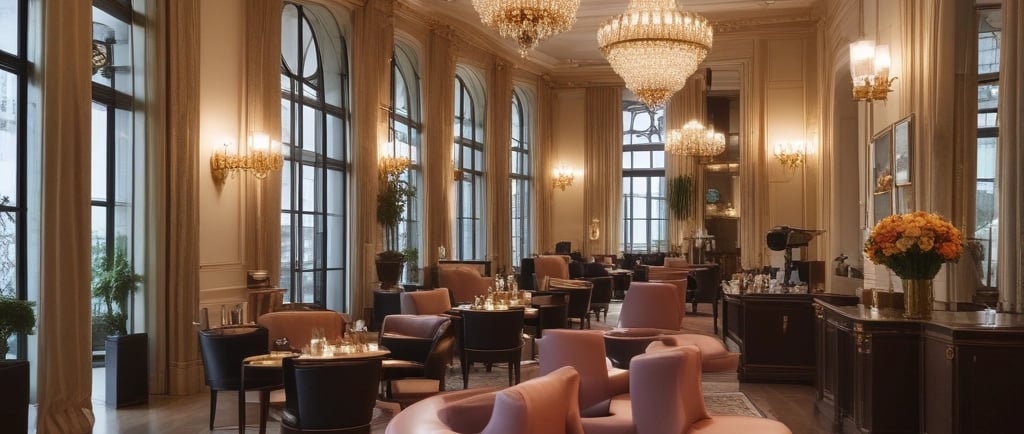
Luxury Hospitality Integration: How Any Business Can Deliver “Hotel-Level” Service
Some of the most profitable premium brands aren’t “luxury” on paper — but they feel luxurious in the way they treat people. That feeling is hospitality. Not in the “hotel” sense, but in the human sense: being welcomed properly, guided clearly, and looked after without needing to chase. When clients feel that, they trust faster. They spend more. They come back. And they refer you.
In London, where competition is intense and expectations are high, hospitality standards can become a serious advantage. The same is true globally. Whether your client is in Los Angeles, Dubai, Tokyo or anywhere else, people recognise good service quickly — and they notice when it’s missing.
Luxury hospitality integration means borrowing the best of hotel culture — service rituals, standards, tone, and service recovery — and applying it to your business in a way that feels modern and natural.
Quick answer
Luxury hospitality integration is the process of adding hotel-level service standards to your customer journey: clear welcome, guided next steps, proactive communication, consistent tone of voice, and calm service recovery. It works in any industry because premium clients value the same thing everywhere: ease, reassurance and reliability.
What “hotel-level service” really means
When people say a hotel feels luxury, they rarely mean the chandelier. They mean:
the welcome felt smooth
the staff knew what they were doing
the process was clear
requests were handled quickly
issues were solved calmly
the guest never felt they had to chase
That can be translated into almost any business.
Hotel-level service is built on three ideas:
Anticipation: you answer questions before they ask
Consistency: the standard doesn’t change under pressure
Recovery: when something goes wrong, you fix it elegantly
Why hospitality is a growth tool (not just “being nice”)
Hospitality improves metrics that matter:
higher conversion from enquiry to booking
higher average spend and less price resistance
stronger reviews and reputation
more repeat business
more referrals
This is why luxury hospitality thinking works well for:
boutiques, fashion, jewellery, watches, premium retail
luxury restaurants, cafés and food concepts
real estate and property-led businesses
wellness clinics, spas, fitness studios
premium tech services and agencies
private services (yachts, private aviation, concierge, high-end events)
Where most businesses fail the “hospitality test”
Premium clients drop off when the journey feels uncertain. Common breakpoints:
slow or vague enquiry replies
no clear next steps
inconsistent tone across email/WhatsApp/phone
messy booking and payment steps
no confirmation or reassurance
clients having to chase updates
awkward handling of problems or complaints
Hospitality integration fixes these by designing the journey properly.
The Luxury Clementine hospitality model: welcome, guide, reassure, follow up
This is the simplest way to build hotel-level service into any business.
1) Welcome properly
Your welcome happens online and offline:
homepage clarity
first email/WhatsApp reply
first call greeting
confirmation message after booking
A premium welcome is polite, confident and structured.
2) Guide the customer
Luxury feels guided, not complicated. People want you to recommend.
offer two clear options
explain what you recommend and why
make the next step easy
3) Reassure proactively
Hospitality reduces uncertainty by answering questions early.
“Here’s what happens next…”
“Here’s the timeline…”
“Here’s what we need from you…”
This is a massive trust builder in London and internationally.
4) Follow up with care
Aftercare is part of luxury. A short follow-up message increases loyalty and referrals.
confirm delivery
check satisfaction
invite feedback
offer a next step if relevant
Step-by-step: how to integrate hotel-level service into your business
Step 1: Map your customer journey
Write the journey from discovery to aftercare:
Discovery → Enquiry → Reply → Proposal/Quote → Booking → Delivery → Aftercare
Where does confusion appear? That’s where “hospitality” is missing.
Step 2: Create 5 core service standards
Keep them simple, so the team can follow them.
reply time standard
first reply structure
quote/proposal structure
confirmation message standard
update rhythm during delivery
Step 3: Add 3 service rituals (small but memorable)
Luxury is often made of small details. Examples:
“welcome message + timeline” after booking
“day-before reminder” or “what to expect” note
“thank you + follow-up” after delivery
Step 4: Build a calm service recovery script
Problems happen. Hotel-level brands handle them elegantly.
Use a simple script:
acknowledge
apologise briefly
offer options
confirm the fix and timeline
follow up after resolution
Step 5: Train the tone of voice
Hospitality has a tone: polite, confident, and calm.
If your website is refined but your messages are rushed, the brand breaks.
Checklist: does your business feel “hotel-level” yet?
clients feel welcomed quickly
next steps are clear and guided
confirmations are sent consistently
clients don’t need to chase updates
issues are handled calmly
follow-up is intentional
the tone is consistent across channels
the experience feels the same even when you’re busy
Common mistakes (and how to avoid them)
Mistake 1: Confusing hospitality with being informal
Fix: hospitality is warmth with structure.
Mistake 2: Overcomplicating standards
Fix: one-page standards are enough.
Mistake 3: Only focusing on visuals
Fix: premium service is felt in communication and process.
Mistake 4: No aftercare
Fix: aftercare is where loyalty is built.
How to choose support in London and globally
If you want help integrating hotel-level service into your business, look for someone who:
understands luxury hospitality standards and customer psychology
can create practical SOPs, scripts and templates
improves both operations and brand messaging
can work across markets — London, the UK, Europe, the US (including Los Angeles), Dubai and Tokyo
Hotel-level service should travel well globally because it’s built on clarity and standards.
FAQs
Can non-hospitality businesses really deliver hotel-level service?
Yes. Most hospitality principles are communication and process, not buildings or uniforms.
What’s the fastest change that feels more luxury?
Your enquiry reply and booking confirmation. Those two moments decide trust quickly.
Will service rituals feel fake?
Not if they’re simple and useful. The best rituals reduce uncertainty and save the client time.
Does this work for small businesses?
Absolutely. Small teams can deliver incredibly premium service if the standards are consistent.
Contact us if you want your business to feel more premium through hospitality standards
If you want to bring hotel-level service into your customer journey — in London or internationally — we can help you design service standards, scripts, and a calmer process that premium clients trust.
Visit www.luxuryclementine.com or email hello@luxuryclementine.com. Share your industry and where clients hesitate (enquiry, booking, delivery, aftercare), and we’ll suggest the best next step.
Reach out to start your premium journey.
Email: hello@luxuryclementine.com Phone: +447960033188
© Luxury Clementine. All rights reserved.
Registered Office
Horizonius Ltd. 124 City Road, London, EC1V 2NX
United Kingdom
COMPANY INFORMATION
Luxury Clementine is a trading name of Horizonius Ltd (Company No. 09722273), registered in England and Wales.
DISCLAIMER
This website is for general information only and does not constitute professional advice. For tailored support, please book a consultation.
CONTACT